Why Your Palm Harbor Furniture Fades Faster Than You’d Expect
If you’ve noticed your leather sofa looking washed out near the window or your hardwood floors developing pale streaks, you’re experiencing Palm Harbor’s year-round UV assault firsthand. With an average of 244 sunny days annually and fall sun angles that push intense light deeper into homes, UV blocking window treatments in Palm Harbor aren’t a luxury—they’re essential furniture protection. The question isn’t whether you need UV protection; it’s which solution actually delivers results for your Mediterranean Revival or Coastal Contemporary home.
Made in the Shade Palm Harbor helps homeowners throughout Lansbrook, East Lake Woodlands, and surrounding communities choose the right UV blocking solutions for their specific window configurations and interior furnishings. Here’s what most Palm Harbor homeowners get wrong—and how to protect your investment properly.
Assuming All Window Coverings Block UV Equally
One of the costliest assumptions Palm Harbor homeowners make is believing that any window covering provides meaningful UV protection. Standard aluminum blinds, basic curtains, and untreated fabric shades let significant amounts of UV radiation pass through—even when closed. That afternoon sun streaming into your East Lake Woodlands home may look beautiful, but it’s actively breaking down the molecular structure of your furniture fabrics, artwork, and flooring.
The Science Behind UV Damage
Ultraviolet radiation causes photochemical degradation in organic materials. Your leather furniture, wool rugs, and wood finishes contain organic compounds that literally decompose when exposed to UV wavelengths. This process accelerates dramatically in Florida’s climate, where high UV index readings persist from March through October.
Standard window glass blocks most UVB rays but allows roughly half of UVA radiation to pass through—the wavelengths primarily responsible for fading and material degradation. Unless your window treatments are specifically engineered to block UV, they’re providing shade without genuine protection.
What Actually Delivers UV Protection
- UV-blocking window film: Applied directly to glass, quality films can block up to 99% of UV radiation while remaining virtually invisible
- Cellular shades with UV-blocking fabric: Honeycomb construction traps air for insulation while specialized fabric blocks harmful wavelengths
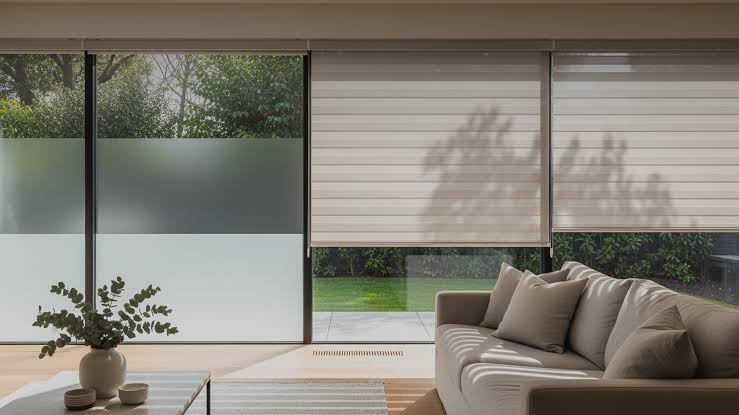
- Solar roller shades: Engineered mesh fabrics block UV while maintaining outward visibility—ideal for homes near John Chesnut Sr. Park where views matter
- UV-coated traditional blinds: Upgraded wood and faux-wood blinds treated with UV-blocking finishes
Ignoring Your Home’s Specific Window Orientation
A mistake that compounds over time is treating all windows identically regardless of their compass orientation. South and west-facing windows in Palm Harbor homes receive dramatically different UV exposure than north-facing ones. Yet many homeowners install the same basic blinds throughout, leaving certain rooms dangerously exposed.
Directional UV Exposure in Palm Harbor
Your home’s design—whether it’s a Mediterranean Revival near Innisbrook Resort or a Coastal Contemporary in Lansbrook—likely features generous windows to capture natural light and cross-breezes. This architectural beauty becomes a liability when UV protection isn’t calibrated to each exposure.
| Window Direction | Peak UV Exposure | Recommended Protection Level |
|---|---|---|
| South-facing | Year-round, consistent | Maximum UV blocking required |
| West-facing | Intense afternoon (fall angles increase exposure) | High UV blocking with heat rejection |
| East-facing | Morning hours | Moderate UV blocking |
| North-facing | Minimal direct exposure | Standard treatments often sufficient |
During fall and winter months, lower sun angles push sunlight deeper into your Palm Harbor home’s interior—reaching furniture and floors that were shaded during summer. This is precisely when many homeowners notice sudden fading on items they thought were protected.
Choosing Style Over Performance Specifications
Window treatments are a design element, absolutely. But selecting based purely on color and texture without examining UV-blocking specifications leaves your furnishings vulnerable. A beautiful sheer curtain might complement your decor while allowing nearly all UV radiation to penetrate.
What Specifications Actually Matter
When evaluating UV blocking window treatments for your Palm Harbor home, look beyond aesthetics:
- UV rejection percentage: Quality products specify exact blocking rates; aim for 90% or higher for vulnerable areas
- Openness factor: For solar shades, this determines how much light and UV passes through the weave
- Material composition: Polyester and vinyl-coated fabrics typically outperform natural fibers for UV blocking
- Manufacturer warranty coverage: Products that warranty against fading typically deliver genuine UV protection
The Window Film Alternative
For Palm Harbor homes with expansive glass—common in Coastal Contemporary architecture—UV-blocking window film offers a solution that doesn’t alter your view or require operating blinds daily. Professional-grade films block virtually all UV radiation while remaining optically clear. They’re particularly effective on large picture windows overlooking East Lake Woodlands’ golf courses or waterfront properties where traditional blinds would obstruct valuable views.
The most effective UV protection strategies often combine window film for baseline defense with quality blinds or shades for light control and privacy—giving Palm Harbor homeowners comprehensive protection without sacrificing style or convenience.
Underestimating the Financial Impact of Sun Damage
Many homeowners mentally categorize UV damage as cosmetic inconvenience rather than serious financial loss. But replacing a faded sectional sofa, refinishing sun-bleached hardwood floors, or restoring damaged artwork represents thousands of dollars in unnecessary expense.
What’s Actually at Risk in Your Home
Consider the furnishings in your sun-exposed rooms:
- Upholstered furniture: Quality sofas and chairs often cost several thousand dollars to replace
- Hardwood and engineered flooring: Refinishing costs add up quickly; replacement runs even higher
- Area rugs and carpeting: High-quality rugs represent significant investment, and UV damage is irreversible
- Artwork and photography: Sentimental items cannot be replaced at any price
- Window treatments themselves: UV exposure degrades untreated fabrics and blinds, shortening their lifespan
Duke Energy Florida customers in Palm Harbor already manage significant cooling costs during summer months. UV-blocking treatments deliver a secondary benefit: reduced solar heat gain means less work for your air conditioning system, particularly on those west-facing windows that absorb intense afternoon sun.
Comparing Window Film and Traditional Blinds for Palm Harbor Homes
Both solutions offer genuine UV protection when properly specified. Your choice depends on your priorities, window configurations, and how you use your spaces.
When Window Film Makes Sense
Window film excels for Palm Harbor homeowners who want unobstructed views—particularly valuable if you’re near John Chesnut Sr. Park or along the Pinellas Trail. Film provides constant, passive protection without daily operation. It’s also ideal for large fixed windows where blinds would be cumbersome or expensive, and for homes with pets or children where dangling cords or fragile slats present concerns.
When Quality Blinds and Shades Excel
Traditional blinds and shades offer adjustability that film cannot match. You control exactly how much light enters throughout the day. They provide privacy on demand—crucial for street-facing windows. And they contribute to your interior design in ways that invisible film cannot.
Made in the Shade Palm Harbor, located at 34125 US-19 Suite 200, Palm Harbor, FL 34684, helps homeowners throughout the Palm Harbor metro evaluate both options based on their specific needs. A professional assessment considers your window orientations, furnishing investments, and aesthetic preferences to recommend the right combination.
Getting UV Protection Right the First Time
The difference between furniture that lasts decades and furniture that fades within years often comes down to one decision: choosing UV blocking window treatments specified for your Palm Harbor home’s actual conditions. Professional measurement ensures proper coverage without gaps at window edges where unblocked UV can still cause damage. Manufacturer-backed materials deliver documented performance rather than guesswork.
Whether you’re protecting a new home in Lansbrook, preserving family heirlooms in an established East Lake Woodlands residence, or simply tired of watching your floors fade near those beautiful Coastal Contemporary windows, the right UV protection solution exists for your situation.
Schedule your free UV assessment and protect your Palm Harbor home’s interior—call Made in the Shade Palm Harbor today at (727) 594-7972 for a consultation.
Frequently Asked Questions
How long does UV-blocking window film last in Florida’s climate?
Quality window films professionally installed on Palm Harbor homes typically maintain their UV-blocking performance for 15 to 25 years. The film itself is designed to withstand Florida’s intense sunlight without peeling, bubbling, or degrading. Performance longevity depends partly on window orientation—south and west-facing installations experience more solar stress but remain effective with proper installation.
Can I combine window film with blinds for maximum protection?
Yes, and this combination often represents the most comprehensive approach for high-value interiors. Window film provides constant baseline UV blocking even when blinds are open, while blinds add adjustable light control and privacy. This layered approach is particularly effective for Palm Harbor homes with expensive furnishings or artwork that cannot be easily replaced.
Do UV-blocking treatments affect my ability to grow houseplants near windows?
Plants primarily need visible light for photosynthesis, not UV radiation. Most UV-blocking window treatments allow ample visible light to pass through while filtering harmful UV wavelengths. Solar shades with lower openness factors may reduce available light enough to affect some plants, so discussing your specific situation with a window treatment specialist helps match protection levels to your indoor gardening needs.